Web Hosting Renewal Costs in 2026: Budget and Save
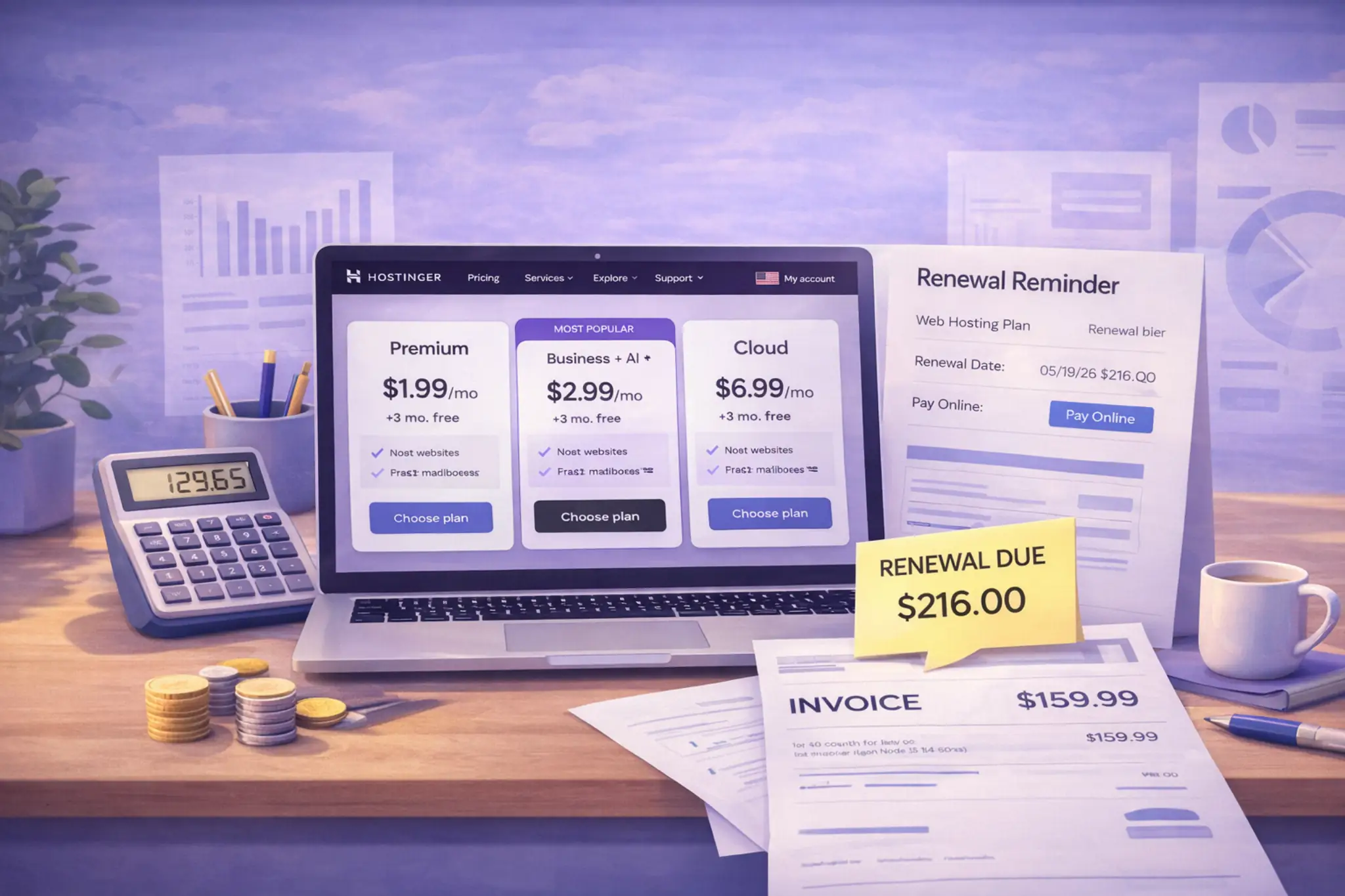
Many beginners choose a hosting plan based on the intro price and only think about renewal costs later. That is one of the most common mistakes in 2026, especially for first-time website owners trying to stay on budget.
A hosting plan may look affordable on day one, but the real long-term cost often becomes clearer after the first term ends. That does not automatically make it a bad plan. It simply means you should not judge hosting by the sale price alone.
This article is worth reading because many hosting guides focus too heavily on promotional pricing and not enough on what happens after the discount ends. The goal here is more practical: explain how web hosting renewal costs work, why they catch beginners off guard, and how to budget more intelligently before buying.
Affiliate Disclosure: This article may contain affiliate links. If you buy through them, we may earn a commission at no extra cost to you. We only recommend tools that fit the use case.
How we verified: We reviewed common hosting pricing patterns, beginner-facing checkout logic, and the way shared hosting and WordPress hosting plans are typically positioned for new customers versus renewals.
Quick Verdict (TL;DR)
If you are buying hosting in 2026, do not judge a plan by the intro price alone.
The better approach is simple: check the renewal rate before buying, understand how long the discounted term lasts, and review the full checkout carefully. For many beginners, the smartest hosting decision is not the one with the cheapest headline price. It is the one that still makes sense after the discount ends.
No plan is a good deal if the renewal cost, add-ons, or contract length no longer fit your real budget.
What are web hosting renewal costs?
Web hosting renewal costs are the standard prices you pay after your discounted first term ends. Most hosting companies use promotional pricing to attract new customers, then renew the plan at the regular rate later.
This is normal across the hosting industry. The issue is not that renewals exist. The issue is that many beginners do not pay enough attention to them during checkout. They focus on getting online cheaply, not on what the website will cost once it is already live.
That is why renewal pricing deserves more attention than it usually gets. A hosting plan should not only be easy to buy. It should also be easy to keep.
Why do renewal costs surprise so many beginners?
The simplest reason is that the intro price gets most of the attention.
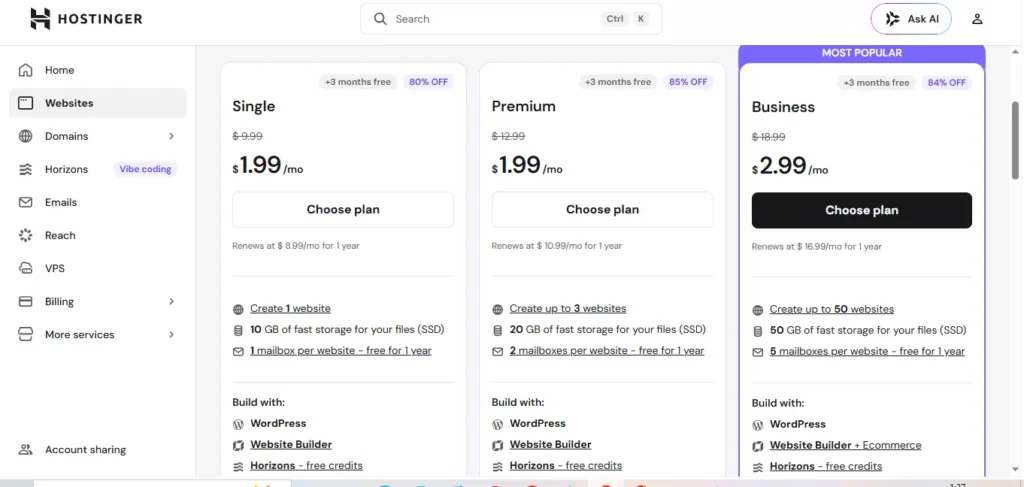
When a beginner lands on a hosting page, the first number they usually notice is the discounted monthly rate. That number is easy to compare and easy to remember. The renewal rate often feels less urgent, even though it may matter more in the long run.
There is also a mindset problem. At the beginning, most people are focused on launching the site quickly. They want WordPress installed, the domain connected, and the website live. They are not yet thinking like long-term site owners. By the time renewal arrives, the site may already depend on that host, which makes the standard price feel much more important.
What should you check before buying a hosting plan?
Before you choose a host, it helps to review the full cost logic instead of only the sale banner. The most useful question is not “How cheap is this today?” but “What will this cost me after the first term?”
The table below shows what beginners should check before buying.
| What to Check | Why It Matters |
|---|---|
| Intro price | It affects your starting cost, but it is only part of the real budget |
| Renewal price | It shows what you may actually pay after the first discount ends |
| Contract length | A longer term may lower the promo price but increases upfront commitment |
| Free domain terms | A free domain can reduce first-year cost, but renewal still matters later |
| SSL inclusion | SSL should feel like a baseline, not a premium surprise |
| Backups and security extras | These can increase total cost if they are sold separately |
| Checkout add-ons | Optional extras can quietly raise the first invoice |
| Refund policy | It matters if you are still testing the host and want lower risk |
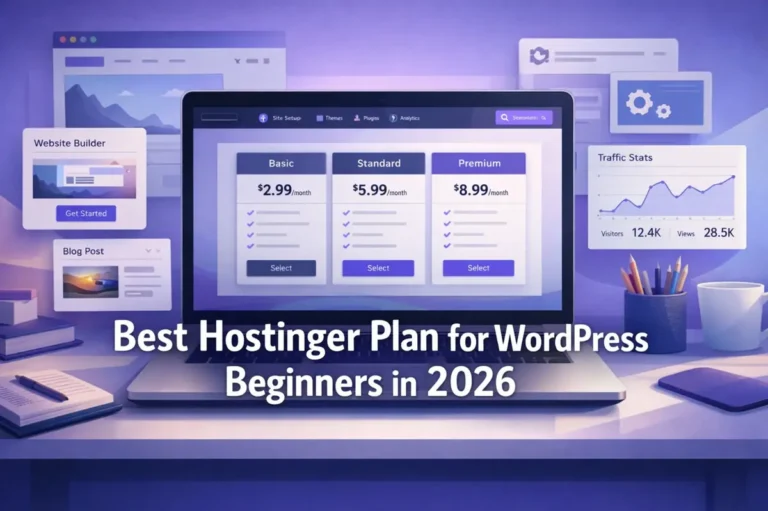
A beginner does not need the cheapest-looking plan. If you are comparing Hostinger specifically, review the best Hostinger plan for WordPress beginners before choosing. A beginner needs a plan that still makes sense after the promotional period ends.
Why do hosting companies discount the first term so heavily?
The first term is often treated as an entry offer. Hosting companies know that beginners compare prices quickly, so a lower starting price makes the plan easier to choose.
From the company’s side, that strategy makes sense. Once a site is launched, many users prefer renewing over migrating, even if the renewal price is higher than the original offer. Moving a website is possible, but it still takes time and attention that many beginners do not want to spend in their first year.
That is why long-term cost matters so much. The easiest plan to buy is not always the easiest plan to keep.
How much do renewal costs matter for a first website?
They matter more than many beginners expect.
A first website usually does not need the most powerful hosting plan, but it does need a realistic budget. If the first year feels affordable and the second year suddenly feels uncomfortable, that can interrupt the project at exactly the wrong time.
This matters especially for bloggers, affiliate beginners, small business owners, and anyone building a simple WordPress site with limited room for unnecessary costs. In these cases, second-year affordability matters almost as much as first-year affordability.
Is a longer hosting term always the better deal?
Not always.
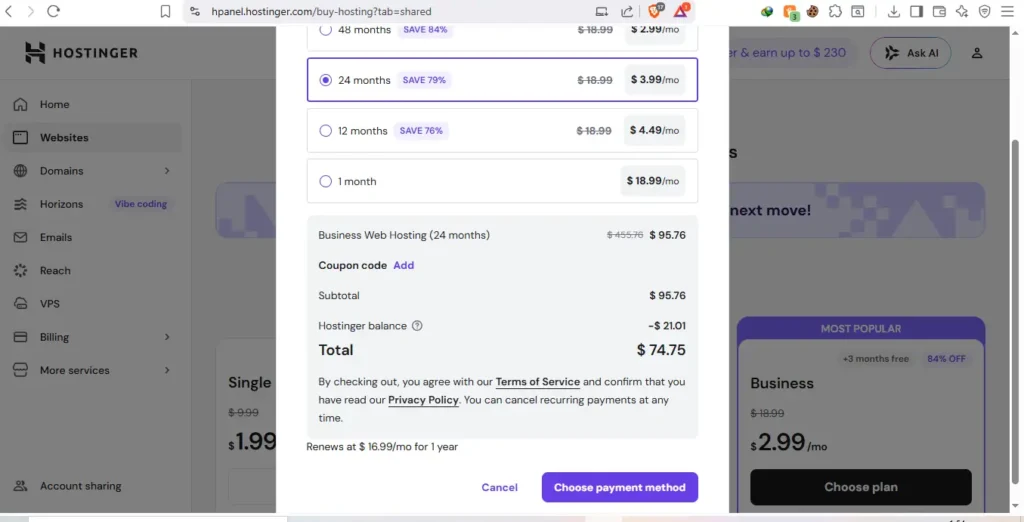
A longer term can lower the average promotional monthly cost, which is why many hosting offers look most attractive on longer billing cycles. But that also means paying more upfront and committing earlier, sometimes before you fully understand the dashboard, support quality, or overall experience.
For some users, that trade-off makes sense. If you are serious about the project and already trust the provider, a longer term may be a smart move. But for many beginners, flexibility matters too. A slightly higher short-term cost may be worth it if it reduces the risk of being locked in too early.
The better question is not just “What is the lowest monthly number?” It is “What kind of commitment makes sense for me right now?”
How do add-ons make hosting more expensive?
Add-ons are one of the easiest ways for beginners to overspend.
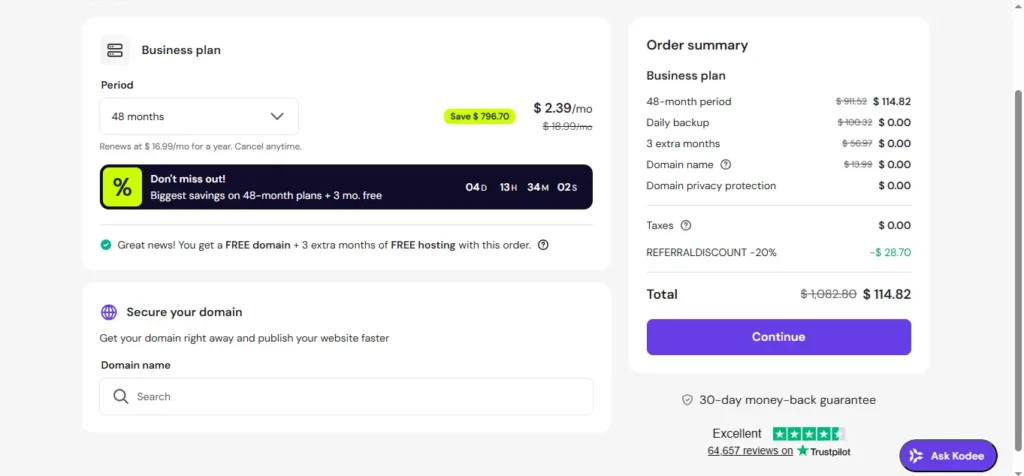
During checkout, you may see optional extras such as premium backups, advanced security, email upgrades, domain privacy, SEO products, or enhanced support features. Some of these can be useful later. The problem is that many first-time site owners do not need all of them on day one.
A cleaner budget usually works better when you start with the essentials and add more only when there is a real reason. Buying too many extras too early does not always improve your site. It often just increases the invoice and makes the plan feel more expensive than expected.
How can beginners budget better for hosting in 2026?
The simplest way to budget better is to stop thinking only about the first payment.
Instead, compare the first-year total, the expected renewal cost, the domain renewal if relevant, and any add-ons you genuinely need. When you look at hosting this way, the real value becomes easier to understand before you commit.
Budgeting also becomes easier when you treat hosting as part of a broader website plan. Hosting affects your cash flow, your upgrade timing, and whether you feel comfortable keeping the project alive after the initial launch.
Should you switch hosts before renewal?
Sometimes yes, but not automatically.
If your renewal rate no longer feels reasonable and your website is still small, comparing alternatives before renewal can be a smart move. But switching is not always the easiest solution. Migration still takes time, and for some beginners the extra hassle is not worth a modest saving.
The better approach is to compare calmly before the renewal date arrives. If the current host still works well, support is acceptable, and the renewal price feels fair enough, staying may be the better choice. If the value no longer matches the cost, then looking elsewhere makes sense.
What is the smartest renewal mindset for beginners?
The best mindset is to think like an owner, not just like a buyer.
That means choosing a plan you understand, avoiding extras you do not need yet, and reviewing the second-year cost before it becomes a surprise. It also means keeping your billing details organized and comparing your options before renewal happens automatically.
A good hosting decision is not the one that only looks cheap today. It is the one that still feels manageable after the discount is gone.
Key Takeaways
- Web hosting renewal costs are the regular prices charged after the promotional term ends.
- The cheapest intro offer is not always the cheapest long-term choice.
- Beginners should compare renewal rates, billing terms, domain rules, and checkout add-ons before buying.
- A longer term can lower the promo price, but it also increases upfront commitment.
- Add-ons can raise the true cost of hosting quickly.
- The smartest plan is the one that stays manageable after the discount ends.
FAQs
What does hosting renewal cost mean?
It is the regular price you pay when your discounted first term ends and the hosting plan renews.
Why is hosting renewal more expensive than the intro price?
Because many hosting companies use promotional pricing for new customers and standard pricing for renewals.
Should beginners choose the cheapest hosting plan?
Not always. A cheap intro offer can become less attractive if the renewal cost, add-ons, or limits do not fit your long-term needs.
Is it better to buy hosting for one year or longer?
It depends on your budget and confidence. A longer term may reduce the promo price, but a shorter term gives you more flexibility.
Do add-ons really matter that much?
Yes. Add-ons can increase the true cost of hosting faster than many beginners expect.
When should I review my hosting renewal?
Ideally, review it several weeks before the renewal date. That gives you enough time to compare options, check current pricing, remove unnecessary add-ons, or decide whether staying still makes sense.
Conclusion
The biggest hosting pricing mistake beginners make in 2026 is focusing too much on the intro price and not enough on the renewal cost.
A better approach is to think one step ahead. Check what happens after the discount ends, understand the billing term, avoid unnecessary add-ons, and choose a hosting plan that still fits your budget later.
That is how you save money without turning your hosting decision into a second-year problem.
If you are comparing beginner-friendly hosting options now, review the current plan details before choosing.
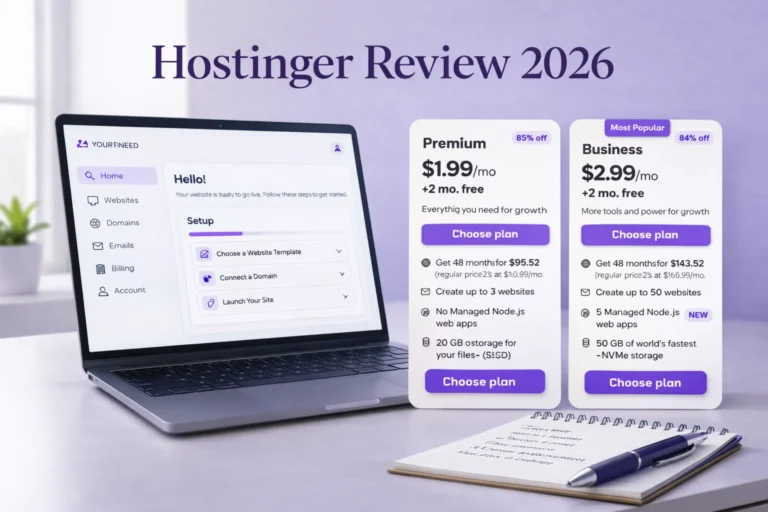
You can also read our Hostinger review for beginners if you are still deciding whether it fits your first site.